
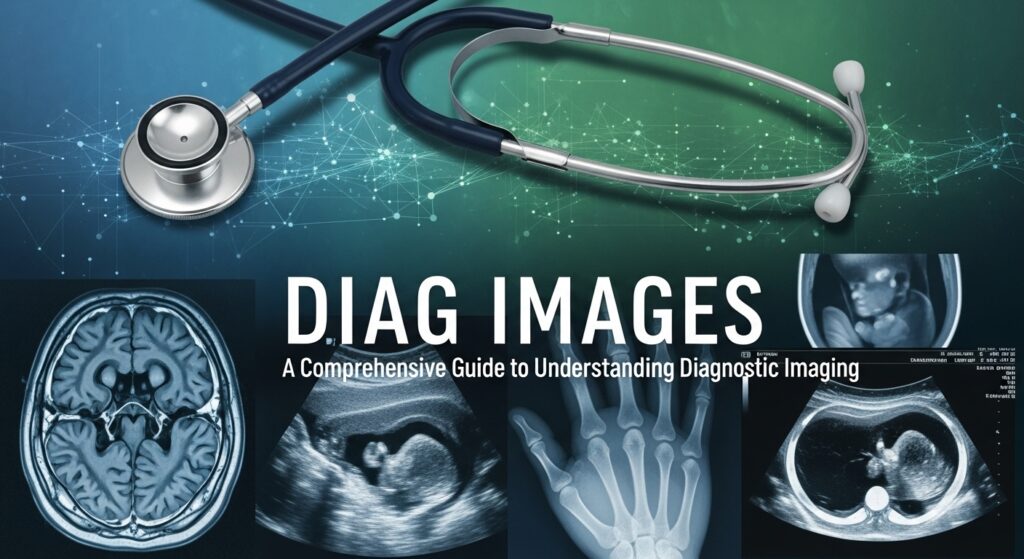
Diagnostic imaging plays a critical role in modern healthcare, offering physicians crucial insights into what’s happening inside the human body. With advancements in technology, diagnostic imaging has evolved dramatically over the years. From X-rays to MRI scans, these techniques provide clear visuals that help diagnose conditions accurately and efficiently. But what exactly are diag images? How do they work? And why should you care about them?
In this comprehensive guide, we will explore the world of diagnostic imaging—its types, benefits, common applications, and even how you can prepare for various procedures. Whether you’re a patient preparing for your first scan or simply curious about medical technologies shaping today’s healthcare landscape, there’s something here for everyone. Let’s dive deeper into the fascinating realm of diag images!
What is Diagnostic Imaging?
Diagnostic imaging refers to a range of techniques used to visualize the interior structures of the body. These images help healthcare professionals assess, diagnose, and manage various medical conditions. The primary goal is to gather crucial information that may not be visible during a physical examination. By using different technologies, doctors can detect abnormalities in bones, organs, and tissues.
Common methods include X-rays, computed tomography (CT) scans, magnetic resonance imaging (MRI), ultrasound, and nuclear medicine. Each technique has its unique advantages based on what needs to be examined. Patients often undergo diagnostic imaging as part of routine check-ups or when specific symptoms arise. The clarity these images provide can make all the difference in effective treatment planning and patient outcomes. Understanding how each type works enhances our appreciation for this essential aspect of modern medicine.
Types of Diagnostic Imaging Techniques
Diagnostic imaging encompasses various techniques that provide detailed insights into the human body. Each method serves a specific purpose and uses different technologies to visualize internal structures. X-rays are among the most common types, offering quick images of bones and certain tissues. They’re especially useful for identifying fractures or infections.
Ultrasound employs sound waves to create real-time images, making it ideal for monitoring pregnancies or examining soft tissues and organs without radiation exposure. MRI, or Magnetic Resonance Imaging, utilizes powerful magnets and radio waves to produce high-resolution images of organs and soft tissues. It’s particularly effective in diagnosing neurological conditions.
CT scans combine X-ray technology with computer processing for cross-sectional views of the body. This technique is invaluable in emergency settings due to its speed and accuracy. Nuclear medicine involves injecting radioactive materials to observe physiological processes within the body. This technique can help detect diseases at an early stage by providing unique functional information about organs.
Benefits and Importance of Diagnostic Imaging
Diagnostic imaging offers a wealth of benefits that revolutionize patient care. It serves as an essential tool for healthcare providers, enabling them to visualize internal structures without invasive procedures. One major advantage is the early detection of diseases. Conditions like cancer or heart disease can often be identified at their onset, allowing for timely intervention and improved outcomes.
Additionally, diagnostic imaging enhances treatment planning. Doctors can tailor therapies based on precise images of a patient’s anatomy, ensuring more effective treatments with fewer complications.
Patient safety is another key aspect. Techniques such as MRI or ultrasound do not use ionizing radiation, minimizing risk while still providing critical information. Moreover, these images foster better communication between medical professionals and patients. Clear visuals help explain complex diagnoses in understandable terms, promoting informed decision-making regarding health choices.
Common Uses and Applications of Diagnostic Imaging
Diagnostic imaging plays a vital role in modern medicine. It helps healthcare providers visualize the internal structures of the body. One common use is identifying fractures or dislocations through X-rays. They provide clear images that aid in quick decision-making during emergencies.
MRI scans are often employed to examine soft tissues like muscles and organs. This technique enhances the detection of tumors and other abnormalities without using radiation. Ultrasound is another essential tool, particularly for monitoring pregnancies. It allows doctors to assess fetal development and detect potential complications early on.
CT scans offer detailed cross-sectional images, making them invaluable for diagnosing conditions involving the brain, chest, or abdomen. Their speed can be crucial when time is limited. In cardiology, echocardiograms evaluate heart function using sound waves. This method enables physicians to identify issues with valves or blood flow non-invasively.
How to Prepare for Different Types of Diagnostic Imaging Procedures
Preparing for diagnostic imaging can vary based on the type of procedure. Always follow your healthcare provider’s instructions closely. For X-rays, there’s typically no special preparation needed. Just wear comfortable clothing and remove any metal items like jewelry.
MRI scans may require you to change into a gown. If you’re claustrophobic, let your technician know beforehand. You might also need to avoid eating or drinking for a few hours if contrast dye is used.
CT scans often involve similar guidelines as MRIs regarding fasting, especially when contrast materials are involved. Drink plenty of water afterward to help flush out the dye from your system. Ultrasounds usually ask patients to drink water before their appointment to fill the bladder, enhancing image quality. Always communicate openly with your medical team about any concerns or pre-existing conditions that could affect your procedure.
Risks and Side Effects of Diagnostic Imaging
Diagnostic imaging is generally safe, but like any medical procedure, it carries some risks. One primary concern is exposure to radiation, particularly with X-rays and CT scans. Although the levels are typically low and considered safe for most patients, repeated exposure can accumulate over time.
Allergic reactions may occur in some individuals who receive contrast materials during procedures such as MRIs or CT scans. Symptoms can range from mild itching to more severe reactions requiring immediate medical attention.
In rare cases, certain imaging techniques may cause discomfort or anxiety. For example, being placed in a confined space during an MRI might induce claustrophobia in sensitive individuals. It’s essential to discuss any concerns with your healthcare provider before undergoing diagnostic imaging. They can help you weigh the benefits against potential risks tailored to your specific situation.
Embracing New Technology in Diagnostic Imaging
The landscape of diagnostic imaging is rapidly evolving. Cutting-edge technology plays a critical role in enhancing accuracy and efficiency. Innovations like AI algorithms are streamlining image analysis, allowing for quicker diagnoses. 3D printing is transforming the way we visualize complex anatomical structures. This technology enables medical professionals to create tailored models from scans, offering insights that traditional methods cannot provide.
Moreover, portable ultrasound devices make diagnostics more accessible in various settings. This flexibility empowers healthcare providers to perform examinations on-site, improving patient experience and care continuity.
Telemedicine integration also enhances remote consultations. Specialists can now analyze diag images from anywhere, ensuring patients receive expert opinions without unnecessary travel. As new technologies emerge, they promise even greater advancements in patient outcomes and healthcare delivery. The future of diagnostic imaging looks promising as it embraces these innovations enthusiastically.
Conclusion
Diagnostic imaging plays a vital role in modern medicine. By utilizing various techniques, healthcare providers can gain critical insights into the body’s condition. Whether it’s an X-ray revealing broken bones or an MRI showing soft tissue abnormalities, diag images are indispensable.
Understanding the different types of diagnostic imaging helps patients make informed decisions about their health. Familiarity with procedures and preparation can reduce anxiety and improve outcomes. While there are some risks associated with these techniques, advancements in technology continually enhance safety measures.
The benefits of diagnostic imaging extend far beyond mere visualization; they impact treatment plans and recovery times significantly. As new technologies emerge, future possibilities for diagnosis continue to expand. With each advancement in diag images, we move closer to more accurate diagnoses and efficient treatments that ultimately improve patient care across the globe. Embracing this essential field is key to enhancing our overall understanding of human health.