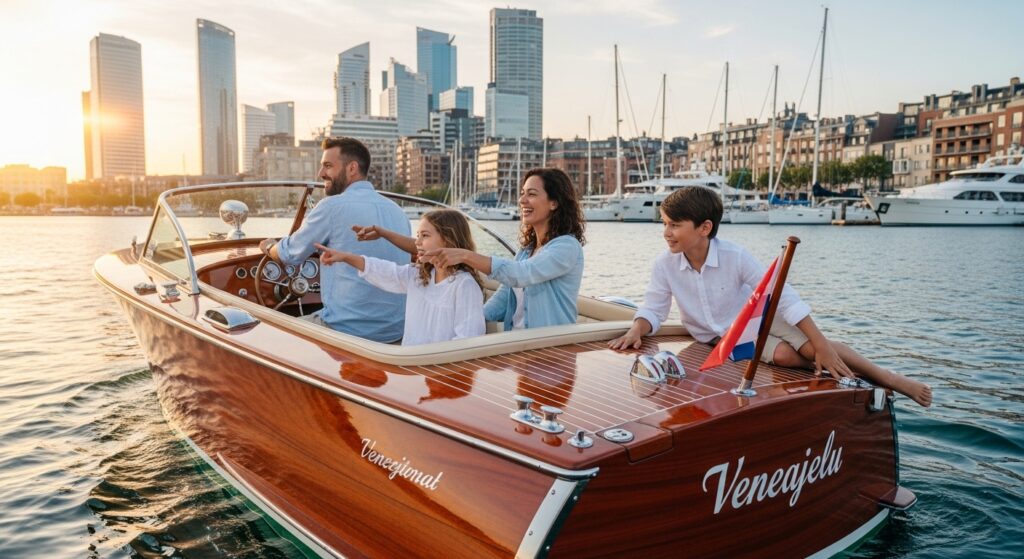
The sun had just begun to rise over the calm lake when the small motorboat eased away from the wooden dock. The air was crisp, the water almost perfectly still, and the only sound was the gentle hum of the engine. For the people on board, this wasn’t simply a ride across the water—it was veneajelu, a deeply rooted boating experience that blends freedom, nature, and reflection.
Across many northern regions, veneajelu has become more than just boating. It represents a lifestyle connected to lakes, coastlines, and a slower pace of life. Whether someone is navigating a quiet river or cruising along a rugged coastline, veneajelu captures the feeling of movement through nature in its purest form.
In an age dominated by screens and rapid schedules, veneajelu offers something surprisingly rare: calm, presence, and connection. What might appear to outsiders as a simple recreational activity is actually a cultural tradition with emotional and practical significance.
Understanding Veneajelu in Everyday Life
At its core, veneajelu refers to the act of traveling or spending time on a boat, often for leisure, exploration, or relaxation. But the meaning goes deeper than its literal definition. Veneajelu reflects a relationship between people and water that has developed over generations.
In regions rich with lakes and archipelagos, boats have historically been essential tools for transportation, fishing, and trade. Over time, as technology and infrastructure improved, these practical journeys evolved into recreational outings. What once served survival gradually became a symbol of freedom.
Today, veneajelu blends tradition with modern recreation. Families head out for weekend trips, friends explore hidden islands, and solo travelers use boating as a way to disconnect from daily stress. The experience isn’t just about reaching a destination—it’s about the journey itself.
What makes veneajelu special is the pace. Unlike fast urban transportation, boating forces people to slow down. The rhythm of the water, the changing scenery, and the openness of the horizon create a sense of mental clarity that many modern activities lack.
The Cultural Significance of Veneajelu
For many communities surrounded by water, veneajelu has become woven into cultural identity. Summer traditions often revolve around boating trips, fishing excursions, and evenings spent anchored near quiet shorelines.
Children grow up learning how to handle small boats, understanding weather patterns, and respecting waterways. These experiences pass practical knowledge from one generation to the next, preserving both skills and values.
Beyond family traditions, veneajelu also shapes social life. Gathering on boats or visiting islands by water creates shared memories that feel different from land-based activities. Conversations tend to flow more easily when people are surrounded by nature, free from distractions.
There is also an element of storytelling. Many boating communities have stories tied to particular lakes, islands, or harbors. Over time, veneajelu becomes a living narrative where each journey adds another chapter to a collective memory.
The Practical Side of Veneajelu
While the emotional and cultural aspects are important, veneajelu also involves practical considerations. Choosing the right boat, understanding safety practices, and planning routes all play a role in creating a smooth experience.
The following table outlines common elements involved in veneajelu and how they influence the overall boating journey.
| Element | Description | Impact on Experience |
|---|---|---|
| Boat Type | Motorboats, sailboats, and small rowboats are common choices | Determines speed, comfort, and range |
| Navigation | Maps, GPS, and local knowledge guide routes | Helps avoid hazards and improves efficiency |
| Weather Awareness | Monitoring wind and water conditions | Ensures safety and smoother travel |
| Safety Equipment | Life jackets, communication devices, emergency kits | Essential for responsible boating |
| Destination Planning | Choosing islands, harbors, or scenic routes | Enhances exploration and enjoyment |
Understanding these factors transforms veneajelu from a casual outing into a well-prepared adventure. Experienced boaters often say that preparation is part of the enjoyment, building anticipation before the journey even begins.
Why Veneajelu Appeals to Modern Professionals
For entrepreneurs, tech workers, and busy professionals, veneajelu offers something that traditional vacations sometimes fail to deliver: genuine disconnection.
Many people spend their days surrounded by constant notifications and digital communication. Stepping onto a boat creates a natural boundary from this environment. Internet signals may fade, schedules become flexible, and the focus shifts from productivity to presence.
This change of pace can be surprisingly restorative. Studies on nature exposure consistently show that spending time near water reduces stress and improves mental clarity. The open horizon and rhythmic movement of waves provide a meditative effect that many people find deeply refreshing.
Entrepreneurs in particular often describe veneajelu as a space for thinking. Away from office pressures, ideas have room to develop. Some of the most creative solutions emerge during quiet moments on the water, when the mind is free to wander.
Technology and the Evolution of Veneajelu
Although veneajelu is rooted in tradition, technology has quietly transformed the experience. Modern boats feature navigation systems, efficient engines, and advanced safety tools that make boating more accessible than ever before.
Digital maps allow boaters to explore unfamiliar waters with confidence. Weather apps provide real-time updates, helping travelers adjust plans before conditions change. Electric and hybrid boat engines are also becoming more common, reducing environmental impact while maintaining performance.
Despite these innovations, the essence of veneajelu remains unchanged. Technology supports the journey, but it does not replace the emotional connection to water and landscape.
In many ways, modern tools simply allow more people to participate in veneajelu safely. Beginners can learn faster, explore farther, and enjoy boating without the steep learning curve that once limited access.
The Environmental Perspective
As boating grows in popularity, environmental awareness has become an important part of veneajelu culture. Responsible boaters recognize that waterways are fragile ecosystems that require protection.
Many communities promote sustainable practices such as minimizing fuel consumption, avoiding sensitive wildlife areas, and properly disposing of waste. Electric propulsion systems and eco-friendly marina services are also becoming more widespread.
These efforts reflect a broader understanding that veneajelu depends on healthy water environments. Clear lakes, thriving fish populations, and unspoiled shorelines are not only beautiful—they are essential to the future of boating culture.
By combining tradition with environmental responsibility, veneajelu continues to evolve while preserving the landscapes that make it possible.
The Emotional Experience of Being on the Water
Perhaps the most powerful aspect of veneajelu cannot be measured or analyzed. It is the emotional shift that happens once a boat leaves the dock.
The world feels different when viewed from the water. Cities appear quieter from a distance, forests seem more expansive, and the horizon invites curiosity. Even a short trip can create a sense of escape that lasts long after returning to shore.
People often describe veneajelu as a moment of balance. Work pressures, digital noise, and daily routines fade into the background. What remains is the simple act of moving through water, guided by wind, current, or engine.
These moments may appear small, but they accumulate into meaningful experiences. Over time, veneajelu becomes more than a pastime—it becomes a personal ritual that reconnects people with nature and themselves.
Looking Ahead: The Future of Veneajelu
As global lifestyles become increasingly urban and digital, activities like veneajelu may become even more valuable. People are actively searching for ways to reconnect with natural environments, and boating provides one of the most immersive ways to do so.
Future developments will likely include quieter electric boats, smarter navigation systems, and sustainable marina infrastructure. These innovations will make boating safer and more environmentally friendly without sacrificing the simplicity that defines the experience.
At the same time, the cultural dimension of veneajelu will continue to grow. Communities will preserve traditional boating knowledge while welcoming new generations eager to explore waterways.
The balance between tradition and innovation ensures that veneajelu remains both timeless and adaptable.
Conclusion
At first glance, veneajelu might appear to be just another recreational activity. But for those who experience it regularly, it represents something deeper.
It is a bridge between past and present, where traditional knowledge meets modern technology. It is a quiet escape from the pace of modern life, offering reflection, creativity, and connection. Most importantly, veneajelu reminds people that sometimes the most meaningful journeys are not about speed or distance—but about the moments spent along the way.
In a world that rarely slows down, stepping onto a boat and drifting across open water can feel almost revolutionary. And perhaps that is why veneajelu continues to hold such enduring appeal.