
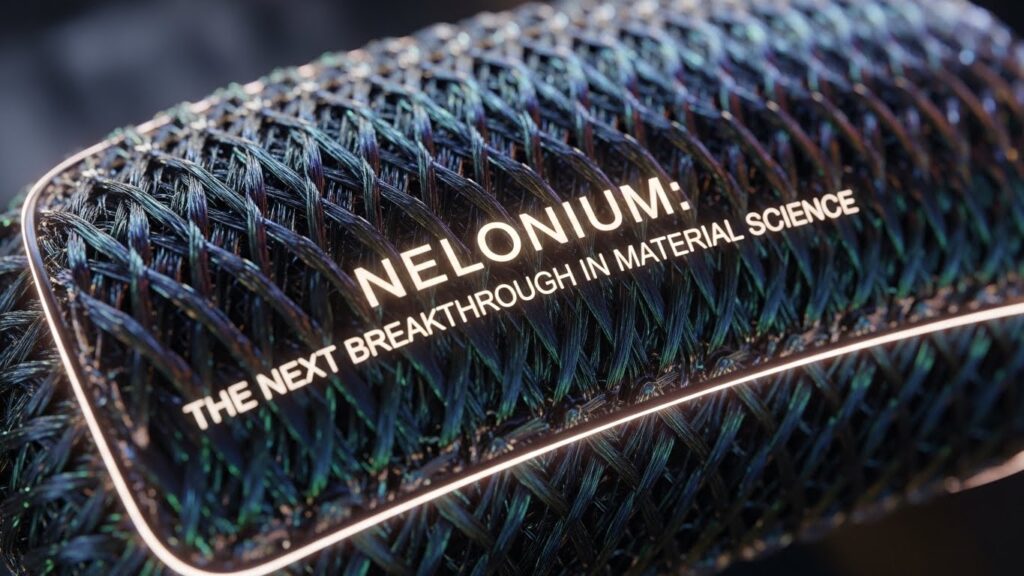
Imagine a world where materials are stronger, lighter, and more versatile than ever before. Enter Nelonium—a groundbreaking development in material science that promises to revolutionize how we build and create. This innovative substance is not just a scientific curiosity; it holds the potential to transform industries from aerospace to healthcare. As researchers unveil its capabilities, excitement grows around the possibilities Nelonium brings. Let’s dive into this fascinating material and explore what makes it so special and impactful for our future.
Understanding Nelonium: What is it and How Does it Work?
Nelonium is an advanced material engineered at the molecular level. It combines elements that enhance its strength and flexibility, making it a formidable contender in the world of materials. This unique substance operates on principles of nanotechnology, allowing for precise manipulation of its structure. The result? A material that can withstand extreme conditions while remaining lightweight.
The key to Nelonium’s performance lies in its innovative bonding techniques. These connections create a network that distributes stress evenly across the surface, preventing fractures and enhancing durability. In practical terms, Nelonium offers possibilities previously thought unattainable. Its design enables it to adapt under pressure without compromising integrity. As researchers continue to explore this dynamic material, they are uncovering new functions and uses that could redefine traditional manufacturing processes.
Properties of Nelonium: Strength, Durability, and Flexibility
Nelonium stands out due to its remarkable strength. This material can withstand immense pressure without deforming or breaking. It’s a game-changer for industries that require robust materials. Durability is another key feature. Nelonium exhibits exceptional resistance to wear and tear, making it suitable for long-lasting applications. Whether in extreme temperatures or harsh environments, this material maintains its integrity over time.
Flexibility adds yet another dimension to Nelonium’s profile. Unlike traditional rigid materials, it can bend and adapt without compromising its performance. This quality opens doors for innovative designs across various fields. The combination of these properties allows manufacturers to push boundaries in engineering and product development, ensuring that Nelonium plays a vital role in shaping the future of material science.
Advancements in Material Science: How Nelonium is Changing the Game
Material science has always been at the forefront of innovation. Nelonium is now taking this field to new heights with its remarkable properties. This revolutionary material boasts unparalleled strength and durability. Traditional materials are often limited by their weight or rigidity, but Nelonium offers an impressive flexibility that opens doors for various applications.
Manufacturers can use Nelonium in ways previously thought impossible. From aerospace engineering to consumer electronics, its versatility is making waves across industries. Companies are already experimenting with designs that leverage both its lightweight nature and robust characteristics.
Engineers and designers are rethinking existing structures and products. With Nelonium, they can create components that last longer while reducing energy consumption during production processes. As research continues, more uses for this groundbreaking material will emerge—paving the way for smarter solutions in our everyday lives. The future looks bright as creators harness the potential of Nelonium in exciting new ways.
Applications of Nelonium in Various Industries
Nelonium is poised to revolutionize multiple industries with its remarkable properties. In construction, its strength and durability make it an ideal material for high-rise buildings and bridges. Structures can withstand extreme conditions while reducing the overall weight. The automotive sector benefits from Nelonium’s flexibility. Car manufacturers are experimenting with this material to create lightweight components that enhance fuel efficiency without sacrificing safety.
In aerospace, Nelonium’s resistance to heat and pressure opens new avenues for innovation. Aircraft can achieve better performance metrics while using less energy during flights. Healthcare also sees promise in Nelonium applications. Medical devices made from this advanced material could lead to more effective treatments and improved patient outcomes due to their biocompatibility. Even consumer electronics are not left behind; smartphones made with Nelonium could be thinner yet more durable, appealing to tech-savvy consumers looking for longevity in their devices.
The Future of Nelonium and its Impact on Society
The future of Nelonium holds remarkable promise for society at large. As this innovative material continues to evolve, its applications could reshape industries and improve everyday life. Imagine buildings constructed with Nelonium’s superior strength. These structures might withstand extreme weather events much better than current materials do. This resilience can lead to safer living environments. In the realm of technology, Nelonium may power next-generation devices. Its lightweight nature combined with durability means longer-lasting gadgets that require less frequent replacement.
Healthcare also stands to benefit significantly from Nelonium advancements. Biocompatibility opens doors for implants and prosthetics that blend seamlessly with human tissue, enhancing quality of life for many individuals. As research progresses, we may find even more groundbreaking uses in renewable energy sectors. Harnessing the full potential of Nelonium could lead toward sustainable solutions that address pressing global challenges like climate change and resource scarcity.
Challenges and Limitations of Nelonium
While Nelonium shows immense promise, it isn’t without its challenges. One of the primary hurdles is its production cost. Creating this advanced material often requires sophisticated technologies that can be expensive to scale. Moreover, researchers are still exploring its long-term stability and performance under extreme conditions. Questions remain about how it will behave over time when subjected to wear and tear or harsh environments.
There are also concerns regarding environmental impact. The processes involved in synthesizing Nelonium could generate waste or emissions that need careful management. As with any new material, regulatory hurdles may slow down widespread adoption. Industries must navigate compliance standards while ensuring safety for users and manufacturers alike. Each of these factors plays a crucial role in determining how quickly Nelonium can revolutionize various sectors.
The Exciting Potential of Nelonium
The potential of Nelonium is vast and intriguing. As scientists explore its unique properties, possibilities expand across various fields. In construction, the lightweight yet robust nature of Nelonium could revolutionize building materials. Imagine structures that can withstand extreme weather while using less energy during creation. In healthcare, this material might lead to advancements in prosthetics or implants that are both stronger and lighter than anything currently available.
Additionally, the tech industry could benefit from Nelonium’s flexibility in developing more durable devices that resist wear and tear over time. A world where plays a key role could mean safer environments and innovative designs we can only dream about today. The excitement surrounding its development continues to grow as researchers uncover new applications daily.
Conclusion
Nelonium is poised to revolutionize the field of material science. Its unique properties make it a game-changer across various industries, from construction to electronics. As researchers delve deeper into its potential, we can expect exciting advancements that could redefine how we think about materials.
While challenges and limitations exist, they only serve to highlight the importance of continued research and innovation in this area. The future looks bright for with numerous applications on the horizon that promise to enhance our quality of life.
The impact of Nelonium extends beyond just industrial use; it holds the key to sustainable development and eco-friendly solutions. As society moves toward greener alternatives, Nelonium will likely play a crucial role in shaping a more efficient future. With each breakthrough comes new opportunities for exploration and growth. The journey into understanding and utilizing has only just begun, making it an exciting frontier for scientists and engineers alike.