
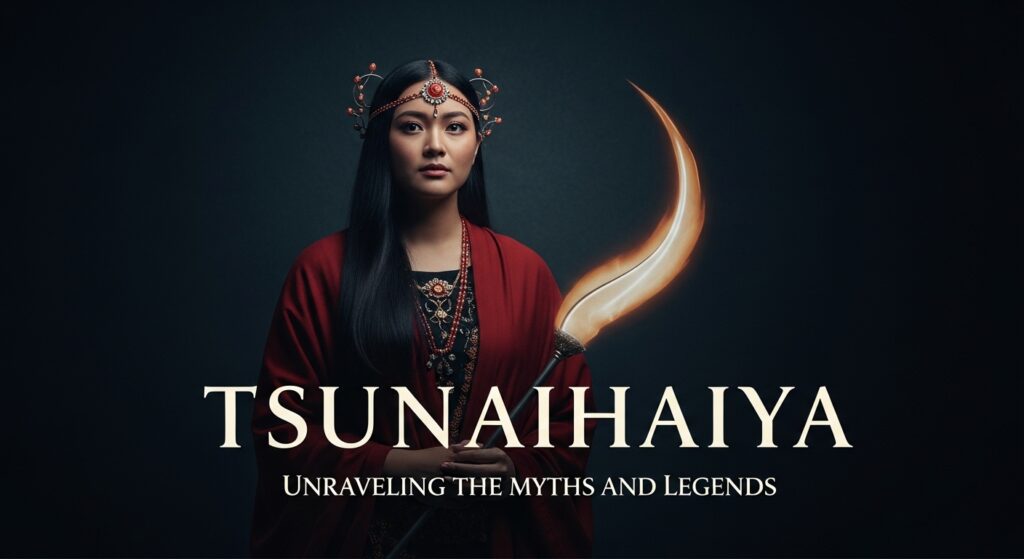
Tsunaihaiya is a name that has whispered through the ages, draped in mystery and allure. This enigmatic term conjures images of ancient rituals, folklore, and tales passed down through generations. For many, it represents more than just a word; it’s an embodiment of cultural history and spiritual significance. But what lies beneath the surface? What secrets does Tsunaihaiya hold? Join us as we delve into its origins, explore captivating legends, and navigate the myths that have woven themselves around this fascinating concept. Whether you’re curious about its meaning or eager to uncover stories that continue to shape its narrative today, you’ve landed in the right place. Let’s embark on this journey together!
Origins and History of Tsunaihaiya
Tsunaihaiya has roots deeply embedded in ancient folklore and cultural traditions. Its origins trace back to a time when communities relied heavily on storytelling to explain the mysteries of life.
Historical records suggest that Tsunaihaiya was first mentioned in texts dating back several centuries. These early accounts highlight its significance as both a symbol of hope and an embodiment of nature’s power.
As societies evolved, so did the interpretations surrounding Tsunaihaiya. Different regions adopted their unique takes, further enriching its narrative fabric.
Through generations, this legend transformed into a living tapestry woven with diverse threads from various cultures. Each retelling adds depth and layers to the story, making it more than just a tale but rather an essential part of collective heritage.
The Meaning Behind the Name: What Does Tsunaihaiya Really Stand For?
The name Tsunaihaiya carries a depth that many overlook. It is not merely a collection of syllables; it encapsulates cultural significance and historical weight.
In various interpretations, “Tsunai” suggests connections, weaving together stories and experiences. The word evokes notions of unity and shared journeys.
“Haia,” on the other hand, often relates to an element of resilience or strength. This duality reveals how communities come together in times of hardship while celebrating their triumphs.
The etymology hints at both ancient roots and contemporary relevance. Scholars speculate about its origins, debating whether it stems from folklore or regional dialects.
Each pronunciation holds layers of meaning that resonate within local traditions. Thus, understanding Tsunaihaiya requires delving into the heart of those who carry its legacy forward.
The Legends and Stories Surrounding Tsunaihaiya
Whispers of ancient spirits and mystical beings fill the air when discussing Tsunaihaiya. This enigmatic figure has captivated generations with stories passed down through time.
One popular legend tells of a guardian spirit who protects villagers from misfortune. It is said that those who pay homage to Tsunaihaiya during harvest season are blessed with bountiful crops and good fortune.
Another tale narrates a brave hero’s journey, guided by visions from Tsunaihaiya, leading him through treacherous landscapes to save his people from despair. The trials he faced only heightened the reverence for this powerful symbol.
Many believe that dreams featuring Tsunaihaiya offer guidance or warnings about future events, further deepening its connection to folklore. As storytellers share these narratives, they weave a rich tapestry that keeps the spirit of Tsunaihaiya alive in modern hearts and minds.
Modern Interpretations and Adaptations of Tsunaihaiya in Pop Culture
Tsunaihaiya has made a significant mark on modern pop culture, often reimagined in various forms of media. From animated series to graphic novels, this mythical figure inspires creators worldwide.
In recent animations, Tsunaihaiya is depicted as a guardian spirit who navigates between realms. This portrayal highlights themes of bravery and self-discovery that resonate with younger audiences.
Video games have also embraced Tsunaihaiya’s lore. Players engage in quests centered around defeating dark forces while uncovering the rich history behind the character. These interactive experiences allow fans to immerse themselves deeply in the mythology.
Furthermore, fashion designers are drawing inspiration from Tsunaihaiya’s symbols and motifs, incorporating them into streetwear collections. This blend of ancient myth and contemporary style creates an intriguing conversation among enthusiasts.
The adaptability of Tsunaihaiya reflects its timeless significance in storytelling across generations. Each new interpretation adds layers to an already complex narrative tapestry.
Debunking Myths About Tsunaihaiya
Tsunaihaiya has been surrounded by a cloud of myths for generations. Many believe it to be a mystical creature, lurking in the shadows and waiting to pounce on unsuspecting wanderers. However, this portrayal is far from reality.
Another common misconception suggests that Tsunaihaiya brings bad luck or misfortune. In truth, local folklore often celebrates its role as a guardian spirit rather than an omen of doom.
Some think it’s tied exclusively to specific regions or cultures. The beauty of Tsunaihaiya lies in its diverse interpretations across various communities, each adding their unique flavors and stories.
Misunderstandings about Tsunaihaiya can lead to fear instead of appreciation. By examining these myths critically, we open ourselves up to understanding the true essence behind this fascinating entity.
Understanding the Truth About Tsunaihaiya
Understanding the truth about Tsunaihaiya requires delving beyond the surface. Many tales paint it as a mythical entity, shrouded in mystery and superstition. However, what lies beneath these stories is often overlooked.
At its core, Tsunaihaiya embodies cultural significance that transcends mere legend. It represents resilience and hope for many communities. The narratives surrounding it connect people to their heritage and traditions.
Exploring historical texts reveals varied interpretations of Tsunaihaiya across regions. Each retelling adds another layer to its identity—a tapestry woven from diverse beliefs and experiences.
Additionally, modern scholars are increasingly interested in dissecting these myths. They aim to separate fact from fiction while celebrating the richness of this narrative phenomenon.
As more voices contribute to the conversation about Tsunaihaiya, new perspectives emerge—challenging preconceived notions and inviting deeper understanding among those who seek it out.
Conclusion
Tsunaihaiya stands as a rich tapestry of history, myth, and modern interpretation. Its origins draw from deep cultural roots, reflecting the beliefs and stories that have shaped communities over generations. The meaning behind its name invites curiosity and debate, inviting enthusiasts to explore what lies beneath the surface.
The legends surrounding Tsunaiaiya are both enchanting and perplexing. They weave narratives of heroism, cautionary tales, and moral lessons that resonate across time. As pop culture continues to reinterpret these stories in films, books, or art forms, adapts while holding onto its core essence.
However, it’s essential to separate fact from fiction when it comes to understanding fully. Many myths have emerged over time but delving into credible sources can reveal a more grounded perspective on this intriguing subject.
As we continue exploring different cultures and their myths like Tsunaihaiya’s unique narrative legacy remains an engaging pursuit for all who seek knowledge beyond the ordinary!