The grocery shopping scene is evolving rapidly, and it’s hard to ignore the buzz surrounding online grocery shopping. With just a few clicks, consumers can fill their carts from the comfort of their homes. The convenience factor has made this trend increasingly popular, especially among busy families and tech-savvy individuals. But what does this shift mean for traditional supermarkets? As e-commerce continues to flourish, many brick-and-mortar stores are facing challenges that demand innovative solutions. Let’s dive into how these supermarkets are responding to the wave of online shopping and reshaping their business models in an ever-changing landscape.
The impact of e-commerce on traditional supermarkets
The rise of e-commerce has significantly reshaped the landscape for traditional supermarkets. Consumers now expect convenience at their fingertips, leading to a decline in foot traffic.
Online shopping offers time-saving benefits that many people find irresistible. With just a few clicks, shoppers can fill their carts and schedule deliveries without stepping outside. This shift is challenging supermarkets to rethink their strategies.
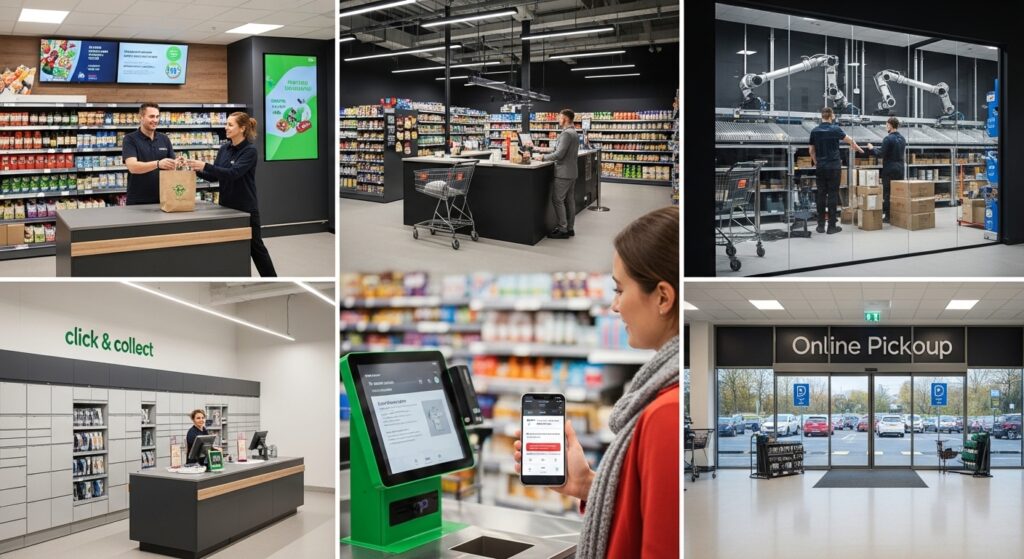
As competition from online grocery platforms grows, traditional stores face pressure to enhance the in-store experience. They must create an inviting atmosphere while integrating digital options like click-and-collect services.
Moreover, the demand for competitive pricing has intensified. Supermarkets are compelled to adapt by offering promotions and loyalty programs that resonate with tech-savvy consumers seeking value.
In response to changing consumer habits, some establishments are investing heavily in technology and logistics. Efficient supply chains have become essential as they strive to meet delivery expectations while maintaining quality service.
How supermarkets are adapting their business models
Supermarkets are transforming to keep pace with the surge in online grocery shopping. They’re rethinking their traditional business models and embracing new strategies.
Many supermarkets now offer click-and-collect services. Customers can shop online and pick up their orders at designated locations. This blend of convenience attracts busy shoppers who seek efficiency without sacrificing quality.
In addition, some chains have partnered with delivery services. By outsourcing logistics, they expand their reach without extensive investment in infrastructure. This approach allows them to remain competitive against dedicated online retailers.
Moreover, supermarkets are enhancing their digital platforms and user experiences. An intuitive app or website encourages customers to engage more frequently while also providing personalized recommendations based on past purchases.
This adaptation isn’t just about survival; it’s about thriving in a rapidly changing landscape where consumer preferences continue to evolve.
Technology and innovation in the grocery industry
The grocery industry is undergoing a technological revolution. Supermarkets are implementing artificial intelligence to streamline operations and enhance customer experiences.
Robotic assistants now roam the aisles, helping shoppers locate products with ease. Automated checkout systems speed up transactions, reducing long lines that often frustrate consumers.
Data analytics plays a crucial role as well. By analyzing shopping patterns, supermarkets can optimize inventory management and personalize promotions tailored to individual preferences.
Mobile apps have transformed how people shop. From creating digital shopping lists to offering exclusive online discounts, these tools make grocery runs more convenient than ever before.
Sustainability initiatives also benefit from technology. Smart sensors monitor food freshness and reduce waste by alerting staff when items need attention.
As innovations continue to emerge, they redefine what we expect from our local supermarkets, ensuring they remain relevant in an increasingly digital world.
Advantages and disadvantages for consumers
Online grocery shopping offers significant advantages for consumers. Convenience tops the list; shoppers can order from anywhere at any time. This flexibility saves valuable time, especially for busy families.
Another perk is access to a wider range of products. Consumers can explore specialty items that may not be available in local stores, enhancing their grocery experience.
However, there are downsides to consider. One major concern is the lack of tactile engagement with products. Shoppers miss out on inspecting freshness and quality before making a purchase.
Delivery fees can also add up quickly, impacting overall savings. Plus, waiting for deliveries might lead to missed opportunities or stock shortages due to demand fluctuations.
Some consumers feel overwhelmed by endless online choices and potential decision fatigue when browsing through countless options on their screens.
Future predictions for online grocery shopping
The future of online grocery shopping is poised for remarkable growth. As technology advances, we can expect a seamless integration of AI-driven recommendations that personalize the shopping experience.
Grocery delivery will become increasingly efficient. Expect drones and autonomous vehicles making deliveries to your doorstep within minutes. This could transform how we think about meal planning and last-minute purchases.
Sustainability will also play a pivotal role in shaping consumer choices. Eco-friendly packaging and local sourcing are likely to become standard practices as shoppers prioritize environmental impact.
Furthermore, virtual reality may soon allow consumers to explore store aisles from their homes, creating an immersive shopping experience without leaving the couch.
Social media platforms might evolve into major grocery marketplaces, blending social interaction with purchasing decisions. This shift would redefine how brands engage with consumers while enhancing convenience and accessibility in food retailing.
The evolving landscape of supermarket shopping
The landscape of supermarket shopping is undergoing rapid transformation. Traditional brick-and-mortar stores are no longer the sole players. Online platforms are reshaping how consumers approach grocery buying.
Shoppers now have a range of options at their fingertips. With just a few clicks, they can order fresh produce or pantry staples for delivery right to their doors. This convenience has changed expectations and behaviors.
Physical supermarkets are rethinking their layouts and offerings in response. Many now feature interactive kiosks, where customers can place online orders while browsing in-store. Others emphasize experiential elements like cooking demonstrations and community events.
Sustainability is also becoming a priority for many shoppers today. Supermarkets are adapting by offering local products and eco-friendly packaging choices, appealing to increasingly conscientious consumers.
This evolving environment indicates that supermarkets must remain agile to thrive amid changing consumer preferences.
Conclusion
The grocery shopping landscape is undergoing a significant transformation. With the rise of online grocery shopping, supermarkets are finding new ways to stay relevant and competitive.
As e-commerce continues to grow, traditional supermarkets face both challenges and opportunities. They must embrace change while retaining their loyal customer base.
Adaptations in business models reflect this commitment to innovation. Supermarkets are optimizing their supply chains and enhancing delivery services, making it easier for customers to access groceries from home.
Technology plays a crucial role in this shift. From mobile apps that streamline ordering processes to automated fulfillment centers that ensure rapid delivery, advancements are reshaping how consumers shop for food.
For shoppers, there are clear advantages like convenience and time-saving options. However, some drawbacks exist too—like increased reliance on technology which may not be accessible for everyone.
Looking ahead, the future of online grocery shopping appears promising but unpredictable as consumer preferences continue evolving rapidly. Supermarkets will likely evolve further with creative solutions targeting changing needs.
What remains certain is that the supermarket industry must continually adapt or risk falling behind in an ever-competitive market driven by digitalization and consumer demand for convenience at every turn.