
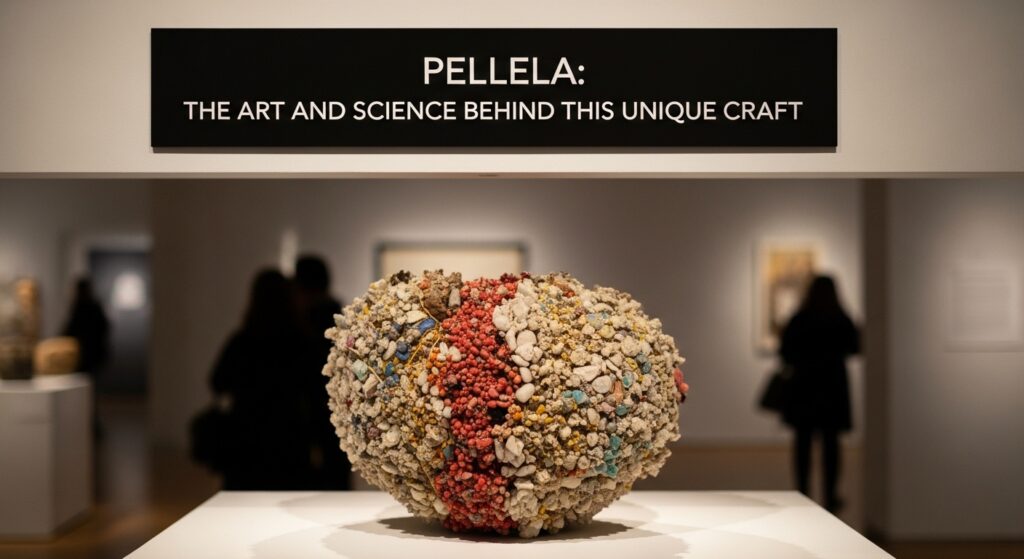
Pellela is more than just a craft; it’s a vibrant expression of culture, tradition, and creativity. With its intricate designs and rich history, this unique art form has captivated artisans and enthusiasts alike. Imagine the delicate hands that shape each piece, infusing every item with stories from generations past. Whether you’re an artist seeking inspiration or someone curious about diverse crafts, Pellela offers a fascinating world to explore. Let’s dive into the artistry that makes Pellela so special, uncovering its origins and the techniques that breathe life into every creation.
History and Origins of Pellela
Pellela has roots that intertwine with ancient craftsmanship. Its origins can be traced back to specific regions where artisans honed their skills over generations. This unique craft emerged as a means of both utility and expression.
Historically, Pellela was often created for ceremonial purposes. It held significant cultural relevance in various communities, showcasing artistry passed down through families. Each piece told stories of tradition and heritage.
As trade routes expanded, so did the knowledge of Pellela techniques. Artisans exchanged ideas and materials, enriching the craft’s complexity. The influence from diverse cultures added layers to its creation process.
Today, enthusiasts celebrate this art form not just for its beauty but also for its historical significance. Understanding Pellela’s past helps appreciate the dedication involved in each handcrafted item today.
Materials and Tools Used in Pellela Crafting
Pellela crafting relies on an intriguing mix of materials. At its core, artisans often use high-quality leather or similar textiles. These materials bring durability and a unique texture to every piece.
In addition to fabrics, natural dyes play a crucial role in achieving vibrant colors. Using plants and minerals allows for eco-friendly practices that enhance the art form.
Tools are just as essential. A sharp knife is fundamental for precision cutting, while needles specifically designed for thick layers ensure clean stitching.
Many craftsmen also favor wooden tools like burnishers to smooth edges and finish surfaces beautifully. Each tool serves a purpose, contributing to the final aesthetic of the work.
The combination of quality materials with specialized tools elevates Pellela into more than just craft; it becomes an expression of artistry that reflects both tradition and innovation.
The Process of Creating a Pellela Piece
Creating a Pellela piece is an intricate dance of skill and creativity. The journey begins with the selection of high-quality materials, often sourced from local artisans or sustainable suppliers.
Once the right components are gathered, the artist sketches preliminary designs. These blueprints guide every cut and stitch that follows. Precision is vital; each movement must reflect both intention and artistry.
Next comes shaping the material, which may involve weaving or molding depending on the desired outcome. This step requires patience and practice to ensure consistency in texture and form.
Afterwards, embellishments are added—these can range from natural dyes to intricate patterns that tell a story or convey emotion. Each detail contributes to the final aesthetic appeal.
Finishing touches enhance durability while showcasing craftsmanship. The end result is not just a product but a piece infused with passion and history.
Techniques and Styles in Pellela Crafting
Pellela crafting is a delightful blend of artistry and technique. Artisans often employ various methods to create intricate patterns, each with its distinct personality.
One popular technique involves layering different materials. This adds depth and texture to the final piece, making it visually captivating.
Another approach focuses on hand-stitching, which allows for greater precision in detail work. The delicate stitching not only enhances aesthetics but also strengthens the structure.
Styles vary widely from traditional designs rooted in cultural heritage to contemporary interpretations that challenge conventional norms. Each piece tells a unique story through its technique and design choices.
Color palettes are equally diverse, ranging from earthy tones that evoke nature to vibrant hues that make bold statements. Such variety offers something for everyone.
The fusion of these techniques ensures Pellela remains innovative while honoring its rich traditions. Exciting possibilities await as artisans continue exploring new styles and approaches.
Modern Applications of Pellela
Pellela has found its way into contemporary design, bridging traditional craftsmanship with modern aesthetics. Artists and designers are now incorporating Pellela techniques into home decor items, fashion accessories, and even functional art pieces.
Interior designers favor Pellela for its unique textures and colors. Rugs, wall hangings, and decorative panels crafted through this method add depth to spaces while telling a story of cultural heritage.
In the fashion world, personalized accessories like handbags or jewelry made via Pellela techniques offer consumers something distinctive. These pieces resonate with those seeking individuality in their style choices.
Moreover, sustainability plays a role in current applications. Many creators prioritize eco-friendly materials in their work. This aligns Pellela with today’s demand for responsible crafting practices that honor both tradition and environmental consciousness.
The Future of Pellela: Preservation and Innovation
The future of Pellela lies at the intersection of preservation and innovation. As artisans continue to hone their craft, there’s a push towards integrating modern technologies without losing traditional essence.
Digital tools are gradually being embraced in design processes. This allows for intricate patterns and precision that were once unimaginable with manual methods alone. 3D printing, for instance, offers exciting possibilities for creating prototypes or even entire pieces at an unprecedented speed.
Sustainability is becoming a focal point as well. Artisans are exploring eco-friendly materials that respect both the craft’s heritage and the environment. Natural dyes and reclaimed resources can breathe new life into this age-old practice.
Education plays a significant role too. Workshops aimed at younger generations ensure that skills are passed down while encouraging fresh ideas to emerge within the community of Pellela artists. The blend of tradition with contemporary influences promises an exciting evolution ahead.
Conclusion
Pellela stands as a testament to the beauty of craftsmanship. Its rich history and unique techniques give it an identity all its own. As artisans continue to innovate and preserve traditional methods, Pellela remains relevant in both art and commerce.
The blend of historical significance with modern applications ensures that this craft will not fade into obscurity. Whether you’re drawn to the artistry or the science behind it, Pellela invites exploration on multiple levels.
As we celebrate this captivating craft, there is a sense of responsibility towards preserving its essence for future generations. The journey of Pellela reflects human creativity at its finest—a dance between tradition and innovation that continues to inspire today.