
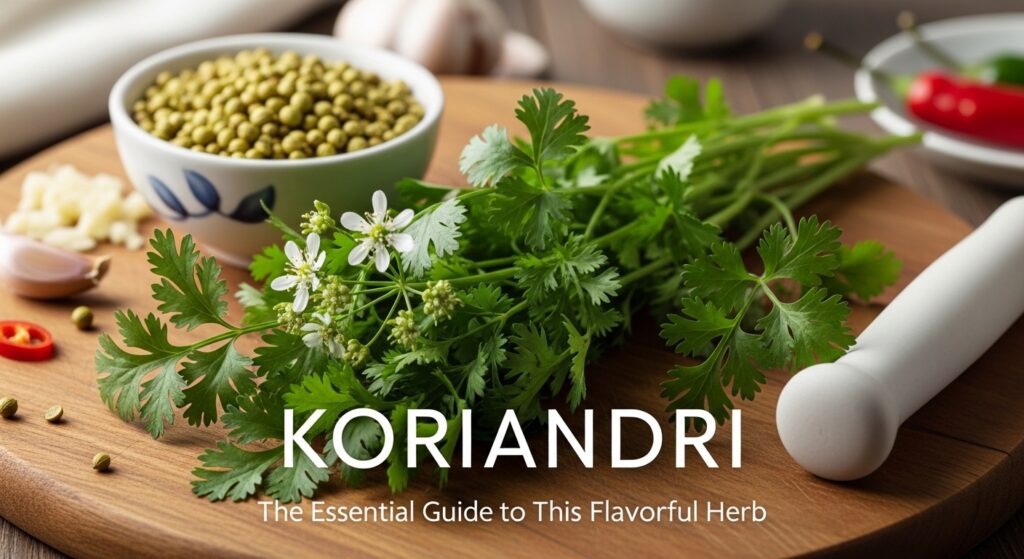
Koriandri, also known as coriander, is more than just a pretty garnish on your plate. This vibrant herb boasts a rich history and an impressive flavor profile that can elevate any dish. Whether you’re sprinkling fresh leaves over tacos or incorporating the seeds into spice blends, koriandri brings a unique zest to your culinary creations. But there’s much more to this herb than meets the eye. From its ancient roots to its nutritional benefits and versatile uses in cooking, koriandri deserves a place of honor in every kitchen. Let’s dive deeper into this delightful herb and uncover everything it has to offer!
History and Origins of Koriandri
Koriandri, commonly known as coriander or cilantro, has a rich history that dates back thousands of years. Its origins trace back to regions in the Mediterranean and parts of Asia. Ancient Egyptians valued koriandri for its culinary uses and even placed it in tombs alongside other treasures.
The herb spread through trade routes, captivating numerous cultures along the way. By the time it reached Europe during Roman times, it was already celebrated for both flavor and medicinal properties.
In India, koriandri holds a revered position within traditional cuisine and Ayurveda, where it’s used not just for taste but also as a digestive aid. The plant’s versatility has made it an essential ingredient worldwide—from Latin American salsas to Middle Eastern tabbouleh. Today, this aromatic herb remains popular across various cuisines, embodying centuries of cultural significance while adding its unique flair to dishes everywhere.
Nutritional Benefits of Koriandri
Koriandri, also known as coriander, is more than just a culinary delight. This herb boasts an impressive array of nutritional benefits that can enhance your health. Rich in vitamins A, C, and K, koriandri supports immune function and skin health. These vitamins play crucial roles in maintaining overall well-being. Moreover, koriandri contains powerful antioxidants. These compounds help combat oxidative stress in the body, promoting cellular health.
The herb is also packed with dietary fiber. Incorporating it into meals aids digestion and contributes to gut health. Additionally, koriandri may possess anti-inflammatory properties. Regular consumption could potentially help reduce inflammation linked to various chronic diseases. With its nutrient density and vibrant flavor profile, koriandri is a fantastic addition to any diet focused on wellness.
Culinary Uses of Koriandri
Koriandri, widely known as cilantro or coriander, adds a vibrant touch to various dishes. Its fresh leaves bring brightness to salads and salsas, elevating simple recipes with their aromatic flavor.
In Asian cuisine, koriandri plays a crucial role in curries and stir-fries. The herb’s unique profile balances spices beautifully, bringing depth to every bite. Mexican dishes also shine with koriandri sprinkled on tacos or mixed into guacamole. It enhances these classic flavors while adding an appealing green hue.
For those who enjoy soups and stews, fresh koriandri can be the finishing touch that transforms a good dish into a great one. Even in marinades and dressings, this herb works wonders by infusing zest. Experimenting with dried seeds offers another layer of taste—perfect for pickling or baking bread! Koriandri is truly versatile; its culinary potential knows no bounds.
How to Grow and Harvest Koriandri
Growing koriandri is a rewarding experience for any herb enthusiast. Start by selecting a sunny spot in your garden or on a windowsill. Koriandri thrives in well-draining soil, so consider adding some sand or perlite to improve drainage. Plant the seeds about half an inch deep and two inches apart. Keep the soil consistently moist but not soggy; too much water can cause rot. Germination typically occurs within 7 to 14 days.
As your koriandri grows, thin out seedlings to allow ample space for each plant. When harvesting, snip off leaves from the outer sections first, allowing inner growth to flourish. Timing is key – harvest before flowers bloom for optimal flavor. If left unchecked, these delicate blossoms will signal the end of leaf production and shift energy towards seed formation instead of lush greenery.
Popular Recipes Featuring Koriandri
Koriandri shines in a variety of dishes, bringing a fresh zest to meals. One popular recipe is the classic salsa verde. Blending koriandri with tomatillos, jalapeños, and lime creates a vibrant sauce perfect for tacos or grilled meats. Another favorite is koriandri chutney. This Indian condiment combines chopped koriandri with green chilies, garlic, and lemon juice. It pairs beautifully with appetizers like samosas or dosas.
For those craving something hearty, consider adding to your curries. Its citrusy flavor brightens rich sauces and balances spices effortlessly. Salads also benefit from this herb’s unique taste. Toss it into quinoa salads along with diced veggies and a splash of olive oil for an invigorating side dish. Don’t overlook infused oils; simply blend fresh with olive oil for drizzling over roasted vegetables or bread. Each bite bursts with freshness!
Alternative Uses for Koriandri
Koriandri, also known as coriander or cilantro, isn’t just for your favorite dishes. This versatile herb has a variety of alternative uses that might surprise you. For starters, can act as a natural insect repellent. The strong scent helps keep pesky bugs at bay. You can crush the leaves and rub them on your skin for added protection during outdoor activities.
In addition to its culinary benefits, koriandri is often used in herbal remedies. It’s believed to aid digestion and alleviate bloating when consumed as tea. Simply steep fresh leaves in hot water for a refreshing drink that might soothe your stomach. Moreover, this aromatic herb can enhance homemade beauty products. Koriandri’s antioxidant properties make it an excellent ingredient in facial masks or scrubs, promoting healthy skin naturally. Explore these alternative uses to maximize the potential of beyond the kitchen!
Tips for Cooking with Koriandri
When cooking with koriandri, freshness is key. Always opt for fresh leaves rather than dried ones to truly capture its vibrant flavor. Chop the leaves just before using them. This maximizes aroma and taste in your dishes. A quick sprinkle at the end of cooking can elevate your meal without overpowering other ingredients. Pair with citrus to enhance its natural zest. Lime or lemon juice complements its earthy notes perfectly.
If you’re unsure about the intensity it brings, start small. You can always add more as needed! For an extra kick, try incorporating both the leaves and seeds (coriander) into recipes. They provide a delightful contrast in texture and flavor. Keep some chopped on hand when entertaining guests; it’s a great garnish that adds color and freshness to any dish.
Conclusion
Koriandri, often known as cilantro or coriander, is more than just a garnish. It’s a versatile herb packed with flavor and nutrition. Its rich history dates back thousands of years, showcasing its importance in various cultures around the globe. Packed with vitamins and minerals, offers numerous health benefits. From aiding digestion to providing antioxidants, this herb supports overall wellness while enhancing your meals.
Culinary enthusiasts cherish koriandri for its distinct taste that elevates dishes from mundane to extraordinary. Whether you’re adding it to salsas or soups, there’s no denying its ability to brighten flavors. For those interested in growing their own herbs, cultivating is relatively easy. With the right conditions and care, you’ll have a fresh supply at your fingertips. You can find many delightful recipes featuring koriandri online—from Thai curries to Mexican tacos—showing just how diverse this herb can be in the kitchen.
Beyond cooking, koriandri has alternative uses such as natural remedies and even beauty products. It’s remarkable how one plant can serve so many purposes! As you cook with consider these tips: use it fresh for vibrant flavor; add it at the end of cooking to maintain its aroma; and experiment with both leaves and seeds for varied tastes. This flavorful herb deserves a prominent place in your pantry! Embrace the unique qualities of and let it inspire your culinary adventures today.