
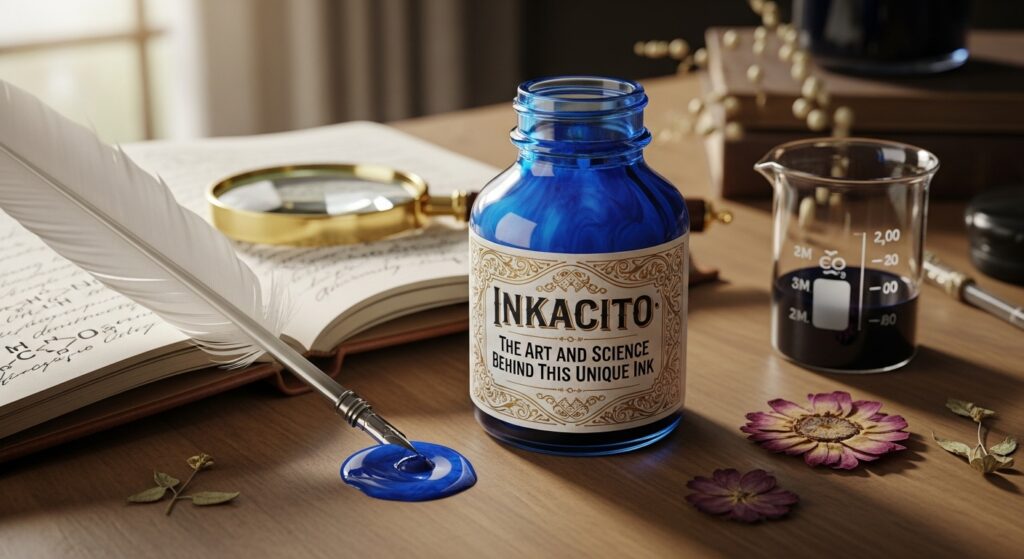
Inkacito is not just any ink; it’s a vibrant blend of art and science that has captivated artists, writers, and thinkers alike. Imagine an ink that transcends the ordinary, offering vivid colors and unique textures while being rooted in innovative technology. This remarkable medium is making waves across various creative fields. Whether you’re sketching your next masterpiece or penning poetry on paper, Inkacito could be the secret ingredient to elevate your work. Curious about what makes Inkacito so special? Join us as we delve into its fascinating history, composition, artistic applications, scientific advancements, and environmental impact. Discover how this exceptional ink can transform creativity while aligning with sustainable practices. Let’s explore the world of Inkacito together!
History and Origin of Inkacito
Inkacito’s journey began centuries ago, deeply rooted in traditional ink-making practices. Initially, artisans mixed natural pigments with various binders to create vibrant colors. This ancient craft laid the foundation for what we know today. As cultures evolved, so did the techniques. Inkacito was born from a desire to blend artistry and science. It emerged as artists sought more than just color; they craved versatility and permanence.
The name “Inkacito” itself reflects its cultural heritage, often associated with indigenous art forms that prioritize sustainability and connection to nature. This unique ink became symbolic of artistic expression across generations. In recent years, modern advancements have transformed Inkacito into a sophisticated medium, appealing not only to painters but also to designers and illustrators looking for innovation in their work. Each drop holds stories of history intertwined with contemporary creativity.
Composition and Chemical Properties of Inkacito
Inkacito is a fascinating blend of natural and synthetic materials. Its unique composition sets it apart from traditional inks. At its core, Inkacito combines pigments derived from plant sources with advanced resin technology. This innovative mix not only enhances vibrancy but also ensures durability. The chemical properties of Inkacito contribute to its versatility. It has excellent adhesion qualities, allowing it to bond well with various surfaces such as paper, fabric, and even wood.
Additionally, the ink boasts quick-drying capabilities, minimizing smudging during application. This feature makes it ideal for artists who require precision in their work. Another remarkable aspect is its resistance to fading over time. The careful formulation protects against UV light exposure while maintaining color integrity. These characteristics make Inkacito an exciting choice for both professional artists and enthusiasts alike, providing endless creative possibilities in every stroke.
The Artistic Applications of Inkacito
Inkacito has transformed the way artists express their creativity. This unique ink offers a stunning range of vibrant colors, allowing for endless possibilities in artistic expression. From intricate illustrations to bold murals, Inkacito adapts beautifully to various mediums. Whether on canvas or paper, the ink’s fluidity enhances detail and depth. Artists appreciate its quick-drying properties, enabling smooth layering without smudging.
Moreover, Inkacito can be used in mixed media projects. Combining it with other materials adds texture and dimension to artworks. This versatility makes it a favorite among both traditional painters and modern digital creators. Workshops featuring Inkacito often draw enthusiastic crowds eager to explore its potential. Participants find joy in experimentation—discovering how this innovative ink can redefine their artistic style.
The Scientific Advancements in Inkacito Technology
Recent years have seen remarkable advancements in Inkacito technology. Researchers are constantly experimenting with new formulations that enhance color vibrancy and durability. This innovation is reshaping how artists approach their craft. One significant breakthrough lies in the development of eco-friendly pigments derived from natural sources. These contribute to richer hues while minimizing environmental impact.
Additionally, improved binding agents have revolutionized ink adhesion properties. Artists can now enjoy better performance on various surfaces without compromising quality. Moreover, digital integration has become a game-changer for users. Smart applications allow for precise color matching and mixing, enabling creators to achieve their desired results more efficiently than ever before. These scientific strides not only elevate artistic expression but also pave the way for future innovations within the ink industry itself. The intersection of art and science continues to inspire creativity across multiple disciplines.
Sustainability and Environmental Impact of Inkacito
Inkacito stands out for its commitment to sustainability. Crafted with eco-friendly materials, it’s designed to minimize environmental impact. The production process of prioritizes renewable resources. This reduces reliance on fossil fuels and lowers carbon emissions significantly.
Moreover, many formulations utilize non-toxic ingredients that are safe for both artists and the planet. The ink is biodegradable, ensuring it won’t linger in landfills indefinitely. Inkacito also supports sustainable practices by sourcing raw materials from responsible suppliers. These efforts contribute to a circular economy where waste is minimized and reused effectively. Artists using Inacito can feel good about their choices, knowing they’re contributing to ecological preservation while creating beautiful work. Emphasizing environmentally conscious art not only inspires creativity but fosters community responsibility as well.
Conclusion
Inkacito stands as a remarkable fusion of art and science. Its rich history reflects centuries of innovation, evolving from traditional practices into modern formulations that cater to both artists and researchers. The intricate composition behind Inkacito reveals its unique chemical properties, which enhance the vibrancy and longevity of colors. Artists have embraced for its versatility, using it in various mediums—from fine art to textiles. Beyond aesthetics, advancements in technology continue to propel this ink forward, incorporating cutting-edge methods that improve performance while maintaining quality.
As discussions around sustainability grow louder, is making strides towards eco-friendliness. Its production processes aim to minimize environmental impact without sacrificing excellence. The journey of Inkacito illustrates not just an artistic tool but a testament to how creativity and scientific exploration can intertwine harmoniously. As it continues to evolve, one thing remains clear: Inkacito is more than just ink; it’s a celebration of human ingenuity at its finest.