
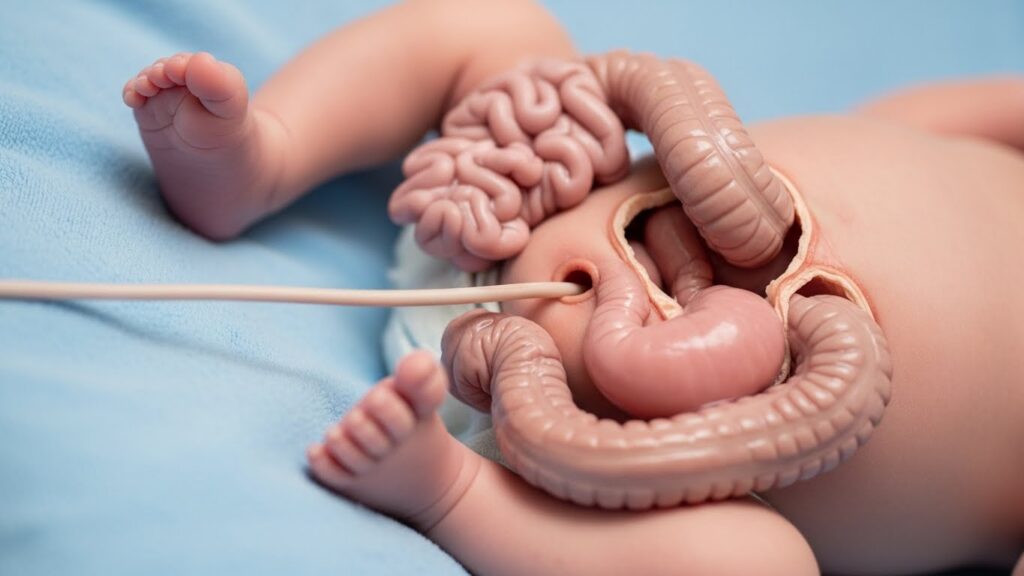
Gastroschisis is a term that may sound unfamiliar, yet it affects countless families each year. This congenital condition occurs when an infant’s abdominal wall does not close properly during development, leaving part of the intestines exposed outside the body. While this diagnosis can be alarming, understanding gastroschisis—its causes, symptoms, and treatment options—can empower parents to navigate this challenging journey with clarity and confidence. Let’s delve into what gastroschisis really means for those affected and how early intervention can make all the difference.
Understanding the Causes of Gastroschisis
Gastroschisis is a complex condition with various potential causes. Researchers believe it occurs due to a combination of genetic and environmental factors.
One significant factor linked to gastroschisis is maternal age. Younger mothers, particularly those under 20, are at an increased risk. This raises questions about the role of developmental processes during pregnancy.
Environmental influences might also play a part. Exposure to certain substances such as tobacco or drugs can contribute to the likelihood of this birth defect appearing in newborns.
Genetic predispositions may exist but remain poorly understood. Some families report higher incidences without clear hereditary patterns.
Understanding these causes helps healthcare professionals better assess risks for expectant mothers and improve prenatal care strategies moving forward.
Signs and Symptoms of Gastroschisis
Gastroschisis is a condition that can be alarming for expecting parents. It typically manifests during pregnancy and often requires immediate attention at birth.
One of the most telling signs is the presence of abdominal organs protruding from the baby’s abdomen. This occurs through a hole beside the belly button. It’s notably different from other similar conditions, like omphalocele, where organs are covered by a membrane.
Parents may notice unusual ultrasound findings that suggest gastroschisis as early as 12 weeks into pregnancy. The baby might also show signs of growth restriction due to this abnormality.
After delivery, symptoms become more evident. Affected infants often have noticeable swelling in their abdomen or appear lethargic and unresponsive. Prompt recognition of these indicators is crucial for effective management and care plans moving forward.
Diagnosing Gastroschisis
Diagnosing gastroschisis typically begins with prenatal imaging. Expecting mothers may undergo an ultrasound during routine check-ups. This can reveal the condition early in pregnancy.
If a baby is born and gastroschisis is suspected, doctors conduct a physical examination. They look for external organs protruding through the abdominal wall.
Diagnostic imaging techniques like X-rays or CT scans may be used to assess the severity of the situation. These tools help visualize any associated complications, such as bowel issues.
In some cases, blood tests might be performed to monitor overall health and identify potential infections or other concerns that could arise from this defect. Prompt diagnosis allows for better planning of necessary interventions after birth, ensuring timely care for the newborn’s needs.
Treatment Options for Gastroschisis
Treatment for gastroschisis primarily involves surgical intervention shortly after birth. The main goal is to place the exposed organs back into the abdominal cavity and close the opening in the abdomen.
Surgeons often perform this procedure within hours or days of delivery, depending on the infant’s condition. In some cases, a technique called silo placement may be used initially. This involves creating a protective pouch around the intestines while gradually pushing them back into the abdomen over time.
Post-surgery care is crucial. Newborns usually require support for their feeding and growth as they recover. This might include intravenous nutrition until they can tolerate regular feedings.
The healthcare team closely monitors each infant for potential complications like infections or issues with bowel function. Every child’s situation is unique, making personalized treatment plans essential for optimal recovery and development.
Coping with a Diagnosis of Gastroschisis
Receiving a diagnosis of gastroschisis can be overwhelming. For parents, it often stirs up a whirlwind of emotions—fear, confusion, and even guilt. It’s essential to acknowledge these feelings while seeking support.
Connecting with healthcare providers is crucial. They can offer guidance and answer questions about the condition. Knowing what to expect helps alleviate some anxiety.
Support groups also play an important role. Sharing experiences with other families who are navigating similar challenges can provide comfort and insight.
Educating yourself about gastroschisis empowers you in this journey. Understanding potential treatment options and outcomes fosters hope for your child’s future.
Take time for self-care as well; caring for your emotional well-being will benefit both you and your baby. Remember that you’re not alone on this path—it’s okay to reach out for help when needed.
The Importance of Early Detection and Treatment
Early detection of gastroschisis is crucial for improving outcomes. When identified promptly, healthcare providers can prepare for immediate intervention after birth.
Timely diagnosis allows for better monitoring during pregnancy. Ultrasounds can reveal the condition, giving parents and medical teams a chance to plan ahead.
Treatment options become more effective with early detection. Surgical correction shortly after delivery significantly increases survival rates. The sooner the intestines are placed back into the abdomen, the less risk there is of complications.
Parents who receive an early diagnosis are often better equipped emotionally and mentally. They gain access to resources that help them understand what lies ahead, easing some of their anxiety about their child’s health journey.
With proactive care strategies in place, families can navigate this challenging experience with more confidence and support from medical professionals dedicated to ensuring every child has the best possible start in life.
Conclusion
Gastroschisis is a complex condition that requires attention and understanding. By knowing the causes, symptoms, and treatment options available, parents can navigate this challenging journey with greater confidence. Early detection plays a crucial role in improving outcomes for affected infants.
With support from medical professionals and loved ones, families can find strength in each other as they face the road ahead. Staying informed about gastroschisis empowers parents to advocate for their children’s health. This knowledge not only aids in making decisions but also fosters hope during difficult times. Embracing community resources and connecting with other families can provide valuable emotional support.
By prioritizing awareness of gastroschisis, we pave the way for better care options and an improved quality of life for those impacted by this condition. Every bit of information gathered contributes to a brighter future filled with possibilities.