
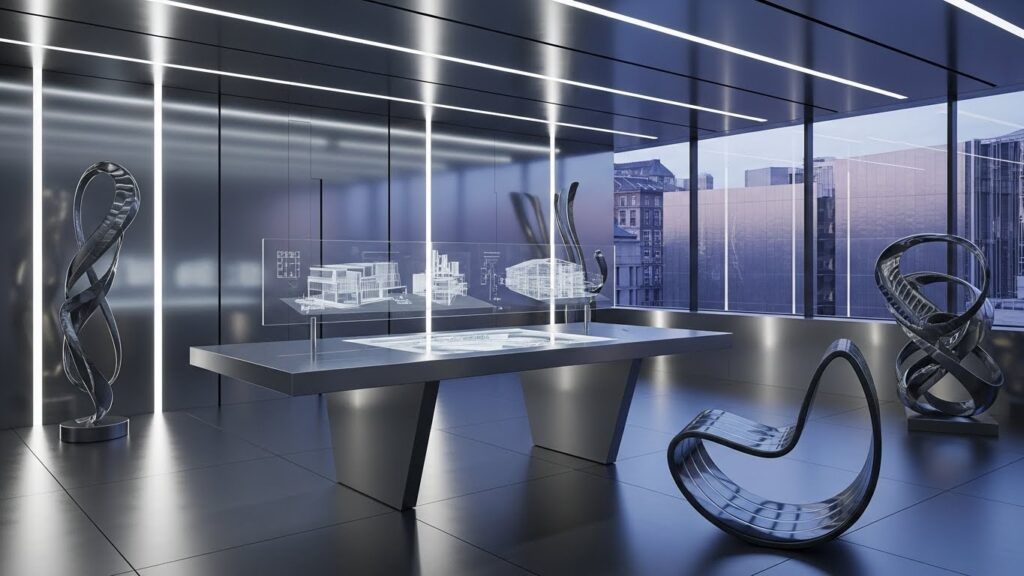
In a world where design constantly evolves, one trend stands out with its unyielding strength and timeless appeal: Kovových. This term, rooted in the Czech language, refers to everything related to metal, encapsulating both its aesthetic allure and functional prowess. As we navigate through this exploration of Kovových, you’ll discover how metal has transitioned from traditional applications to become an essential element in modern design. From sleek architecture to innovative interior spaces, Kovových is shaping our environments in ways that are not only visually striking but also practical. Let’s dive into the fascinating journey of this enduring material and uncover what makes it a staple for contemporary creators and designers alike.
What is Kovových ?
Kovových is a term that embodies the essence of metal in design. It captures the blend of tradition and innovation, showcasing how metals can transform spaces. This concept goes beyond mere materials. Kovových represents a philosophy where craftsmanship meets modern aesthetics. Designers leverage its qualities to create unique pieces that resonate with both history and contemporary trends.
From sleek furniture to striking architectural elements, Kovových reflects versatility. Each piece carries a story, often highlighting the skill involved in shaping raw metals into functional art. As urban landscapes evolve, Kovových stands at the forefront. Its dynamic presence continues to inspire fresh ideas in various design disciplines. The future gleams brightly with this metallic inspiration guiding new creations.
The History of Metal in Design
Metal has played a pivotal role in design for centuries. From ancient civilizations to modern times, artisans have harnessed its strength and beauty. Early metalworking began around 4000 BC with simple tools and ornaments crafted from copper and gold. These materials symbolized power and wealth, often used in religious artifacts.
As technology advanced, so did the use of metals in design. The Industrial Revolution marked a significant turning point. Factories introduced mass production techniques that allowed for innovative designs using iron and steel. The Bauhaus movement in the early 20th century further revolutionized metal’s role in architecture and furniture design. Designers embraced its versatility, leading to sleek lines and functional forms. Throughout history, metal has transformed spaces while reflecting societal changes. Today, it continues to inspire creativity across various disciplines within contemporary design landscapes.
The Rise of Kovových in Modern Design
Kovových is capturing the imagination of designers around the globe. Its sleek lines and versatile applications make it a favorite in contemporary spaces. No longer confined to industrial settings, metal is now viewed as an artistic medium. Designers are pushing boundaries, blending Kovových with other materials like wood and glass for striking contrasts.
This rise can be attributed to a growing appreciation for raw aesthetics. People want authenticity in their surroundings, and Kovových delivers that grit with style. The modern consumer seeks uniqueness in design. Kovových allows for customization while offering robustness that many materials simply can’t match. From furniture pieces to architectural accents, its presence is becoming ubiquitous. The embrace of Kovových signals a shift towards boldness in modern design trends.
Advantages of Using Metal in Design
Metal offers a striking blend of aesthetics and functionality in design. Its sleek surface can elevate any space, creating an elegant backdrop or a bold statement piece. Durability is another significant advantage. Metal withstands the test of time, resisting wear and tear that other materials often succumb to. This longevity makes it a smart investment for both furniture and architectural elements.
Moreover, metal is incredibly versatile. It can be molded into various shapes, finishes, and colors to suit diverse styles—from industrial chic to minimalist modernism. In addition to its visual appeal and strength, metal also promotes sustainability. Many metal products are recyclable or made from recycled materials, aligning with eco-conscious design principles. Incorporating metal into designs not only enhances beauty but also ensures resilience while supporting sustainable practices.
Innovative Uses of Kovových in Architecture and Interior Design
Kovových is transforming the landscape of architecture and interior design. Its versatility allows for stunning applications that challenge traditional aesthetics. In contemporary buildings, Kovových elements create striking facades. Architects use metal to craft eye-catching patterns and textures. These designs not only enhance visual appeal but also improve functionality.
Inside homes, Kovových features are equally impressive. Think sleek metal accents in furniture or bold light fixtures that serve as conversation starters. Wall panels fashioned from innovative alloys add depth and character to any space. Moreover, combining Kovových with other materials results in unique contrasts. Pairing it with wood creates warmth without sacrificing modernity. This fusion elevates spaces, making them feel both inviting and cutting-edge. As technology advances, we can expect even more creative uses of Kovových in future projects. The possibilities seem endless as designers push boundaries beyond conventional norms.
Sustainability and Durability of Kovových Materials
Kovových materials stand out for their impressive sustainability credentials. They are often recyclable and can be repurposed without losing quality. This means that once a product reaches the end of its life, it doesn’t simply end up in landfills.
Durability is another key feature of Kovových. Unlike other design materials, metal withstands wear and tear remarkably well. It resists corrosion, weathering, and impact damage. This longevity translates to less frequent replacements, resulting in lower overall resource consumption.
Furthermore, many modern manufacturers prioritize eco-friendly production methods when creating Kovových items. These practices help minimize environmental footprints while still delivering high-quality products. Investing in Kovových means choosing responsible design that respects both aesthetics and the planet’s future. The combination of durability and sustainability makes these materials an ideal choice for environmentally conscious consumers looking to make a lasting impact with their designs.
How to Incorporate Kovových into Your Own Designs
Incorporating Kovových into your designs can transform spaces with its sleek aesthetic. Start by selecting the right type of metal that complements your overall vision. Consider options like aluminum for a lightweight touch or steel for added strength. Mix and match materials to create contrast. Pair Kovových elements with wood or glass to enhance visual interest. A metal accent wall, for instance, can serve as a stunning focal point in any room.
Don’t shy away from smaller details. Utilize Kovových in fixtures such as lighting pendants or cabinet handles to add elegance without overwhelming the space. Think about textures too; brushed finishes offer a contemporary feel while polished surfaces exude sophistication. You can also experiment with colors through powder coating, allowing you more creative freedom. Ensure functionality remains key when integrating Kovových features into your design plans, blending beauty seamlessly with purpose.
The Enduring Impact of Kovových on Modern Design
Kovových has carved a niche in modern design, influencing everything from furniture to fashion. Its sleek lines and polished surfaces resonate with contemporary aesthetics. Designers are increasingly drawn to Kovových for its versatility. Whether used as accents or the main material, it elevates spaces and objects alike. This adaptability sparks creativity. The impact extends beyond looks; it shapes functionality too. Metal’s inherent strength allows for innovative structures that challenge traditional boundaries.
As sustainability becomes paramount, Kovových offers an eco-friendly alternative when sourced responsibly. It can be recycled without losing quality. Artists and architects use Kovových to create striking contrasts with organic materials, enhancing visual interest in their projects. This interplay of textures adds depth and character, marking a significant trend in today’s designs. Embracing Kovových means embracing durability while making bold statements that stand the test of time—an essential aspect of modern design philosophy.
Conclusion
Kovových represents a transformative approach to metal in design, showcasing how this versatile material can be elevated into the realm of art and functionality. The history of metal has been rich, evolving from utilitarian uses to becoming a centerpiece in modern aesthetics. As Kovových gains traction, it emphasizes not only the beauty but also the adaptability of metals across various applications.
The advantages of using metal are clear—its strength, flexibility, and timeless appeal make it an ideal choice for designers looking to push boundaries. From innovative architectural marvels to striking interior elements, Kovových is paving new paths for creativity. Moreover, sustainability is at the forefront; many contemporary designs use recycled or sustainably sourced metals that contribute positively to environmental efforts.
Incorporating Kovových into your own projects opens up endless possibilities. Whether you’re designing furniture or reimagining public spaces, integrating metal can elevate your work significantly. It invites a fusion of styles while retaining practicality—a hallmark of successful modern design. As we look ahead, it’s evident that Kovových will continue to shape our environments with its unique blend of artistry and durability. Embracing this trend means embracing innovation and sustainable practices that resonate within our communities and beyond.